Audience research
Part of Audience research for micro influencer marketing
How do you research a micro influencer marketing target audience?
Research a micro influencer marketing audience with ONS income data, ASA and CMA guidance, Instagram, TikTok and YouTube rules, and survey tools.
What to take away
- The ONS Effects of taxes and benefits on household income dataset reports household disposable income by financial year, with editions covering the financial year ending 2024, so you can screen purchasing power early.
- Define your micro influencer marketing target audience by income, problem and platform habit rather than by follower counts.
- Use the ASA’s CAP Code, CMA guidance on social media endorsements and the disclosure rules for each platform in your brief.
- Prove one segment with a short survey or a small pilot before you scale the roster.
Decide who the audience is before you shortlist creators
A follower count says how many people see a post. It does not say whether they can afford the product or share the problem. Start with money and need, then find creators who already speak to that group. The wider process is in the micro influencer marketing audience research guide, which shows how the stages fit together.
Product price vs income bracket
£9 app
- Monthly cost
- £9
- Income floor
- Low quintile
- ONS data used
- Disposable income
£45 monthly box
- Monthly cost
- £45
- Income floor
- Third quintile+
- ONS data used
- Disposable income
£300 course
- Monthly cost
- £300
- Income floor
- Top quintile
- ONS data used
- Disposable income
Creators rent you attention for one campaign. The audience is the asset: its budget, its habits and its words for the problem.
Set a spending floor from income data
Read the ONS household disposable income tables for the relevant household type and financial year, then compare the data with your product's monthly cost. A £9 app sits in a different bracket from a £300 course. Treat income as a screening signal, not a universal affordability cut-off, and write down your own inclusion rule before you open a creator list.
For example, a team selling a £45 monthly box should choose the household type and income group that best fit its intended buyers, then test that screening rule with the audience. Do not treat “third income quintile and above” as a universal pounds threshold.
The published figures are disposable income after taxes and benefits, so they show what a household can spend rather than gross pay.
Match the profile to the platform's rules
Disclosure requirements differ between platforms and shape what the brief can ask for. YouTube's branded content rules require creators to declare paid promotions so a label appears with the video, and that duty does not shrink for small campaigns. Instagram's branded content policies include the Paid partnership label, while TikTok's branded content policy uses a content disclosure setting. Read each platform's rules page first, then write the brief to fit it.
Check every platform on the plan: Instagram's branded content policies and Paid partnership label guidance, TikTok's branded content policy and content disclosure setting, and YouTube's paid promotion instructions. A creator posting the same campaign to two of them may need two different labels, and the brief should say so.
Write a profile you can brief against
An audience profile is a working document, not a persona poster. Every claim in it should point to a source you can name, and the whole thing should be short enough for a creator to check in a minute.
Audience profile fields
- Income bracket
- Audience's own words for problem
- Platform where they discuss it
- What they pay for similar fix
- Add buying triggers after first results
- Add objections after first results
The fields that carry the most weight
Start with four fields: income bracket, the audience's own words for the problem, the platform where they discuss it, and what they pay for a similar fix. Those fields are enough to start. Add buying triggers and objections after the first results come back.
Gather the words from your own reviews, support tickets and comments on Instagram, TikTok and YouTube, then keep the phrasing that repeats. Compare these with answers to your survey so the profile reflects both existing customer language and the audience you want to reach.
What consumer law adds
The Consumer Protection from Unfair Trading Regulations 2008 prohibited misleading commercial practices, including presenting an advert as independent opinion. For paid creator work, use the ASA's UK Code of Non-broadcast Advertising and Direct & Promotional Marketing (the CAP Code), including its requirement that marketing communications are obviously identifiable, and consult CMA guidance on social media endorsements. Put the disclosure line in the profile so creators know what to attach. Keep every factual claim testable, because the creator will repeat the profile's wording.
Test the profile before you commit budget
Research narrows the field. It cannot confirm demand, so plan one cheap test. Run a single segment with one message and one metric, then decide whether to widen the roster.
Run a survey through your shortlisted creators
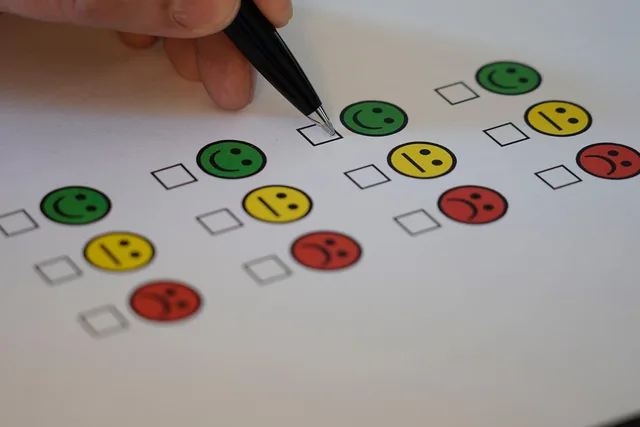
Five questions sent through a creator's story or newsletter can answer a lot. Ask how the audience solves the problem now, what they pay, and which words they use. Build the survey in Google Forms, SurveyMonkey or Typeform, keep the questions short, and review the answers for repeated needs, language and objections.
Compare two segments, not two creators
Testing two creators from different income groups tells you about the creators. Testing two income groups with the same message tells you about the audience. Hold the creative, the price and the offer constant so any difference means something.
The table gives relative effort and cost categories for a two-person team, not fixed cost estimates. Creator fees and incentives depend on the campaign.
Compare two segments
What it answers
- ONS income dataset
- Can this group afford the price?
- Platform rules pages
- What must the brief require?
- Short survey
- What does the niche say and pay?
- Two-segment pilot
- Which group responds better?
Effort
- ONS income dataset
- Half a day
- Platform rules pages
- Under an hour
- Short survey
- About a week
- Two-segment pilot
- Two to three weeks
Cost
- ONS income dataset
- Free
- Platform rules pages
- Free
- Short survey
- Incentives
- Two-segment pilot
- Creator fees
Common questions
Can income data replace a survey?
Income data narrows who can afford the product. It cannot tell you how the audience describes the problem or what they buy instead. Use official data for the screen and a short survey for the language.
Does a micro influencer need a minimum follower count?
No single band applies across the industry. Define the follower range you will use for this campaign in the brief, and treat it as your working definition rather than a universal standard. What matters is whether the followers sit in your income bracket and share the problem you solve. Headcount is the last filter, not the first.
What must a paid creator brief include?
The disclosure in the form the platform requires, plus a claim you can evidence. Keep proof on file for anything factual, and write the disclosure line into the brief.